A Comprehensive Guide to Picking the Ideal Rooflights for Your Home
Picking the right rooflights can transform a home, elevating both light and ambiance. A range of styles, from skylights to lanterns, provide distinct benefits. However, selecting the most appropriate option calls for careful consideration of numerous factors, such as material durability and installation methods. As homeowners evaluate these choices, recognizing the essential criteria is crucial. What considerations should guide the decision to reach the best outcome? The path to brightening a residential space begins here.
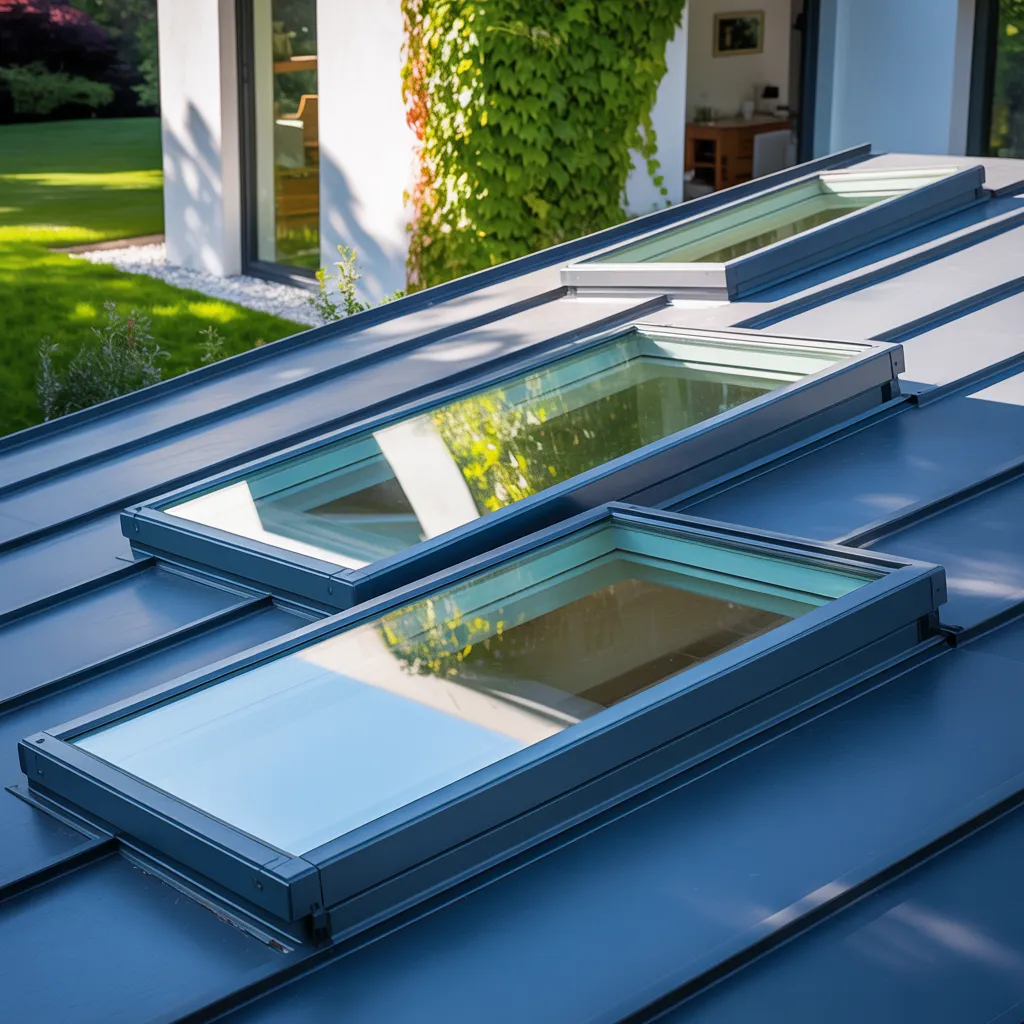
Why Rooflights Are Essential for Your Home
Although many homeowners prioritize traditional windows for natural light, rooflights offer a unique solution that transforms spaces and enhances living environments. By permitting light to flow in from above, rooflights generate a feeling of openness and spaciousness that conventional windows frequently cannot replicate. This influx of natural light can greatly improve mood and well-being, making spaces feel more inviting and comfortable.
Furthermore, rooflights can boost energy efficiency by minimising the need for artificial lighting during the day. They can also offer passive heating gains, particularly in the colder seasons, by enabling sunlight to heat interior spaces.
In addition, rooflights may be strategically placed to highlight design elements or create visual centerpieces, contributing visual appeal. In summary, adding rooflights into a property not only boosts illumination but also enhances the whole atmosphere, making them a key addition for contemporary property owners looking to enhance their home environments.

Multiple Varieties of Rooflights: An In-Depth Guide
Rooflights come in numerous styles and designs, each providing distinct benefits to homeowners. The most common types include roof windows, skylights, and tubular daylighting devices. Skylights are generally fixed or vented openings within the roof, enabling natural light to fill spaces below while offering ventilation options. Roof windows, designed for vertical installation, are ideal for loft conversions, improving both aesthetics and functionality.
Tubular daylighting devices employ highly reflective channels to channel sunlight from the top of the building to interior spaces, making them an excellent choice for areas with limited roof access. Furthermore, lantern skylights provide a striking architectural feature while maximizing light and air circulation. Each type can greatly impact a residence's comfort and energy consumption. Ultimately, understanding these various options enables property owners to make well-considered choices aligned with their unique circumstances and desires.
Essential Criteria for Selecting Rooflights
When choosing rooflights, key criteria include light transmission performance and energy efficiency standards. These elements significantly impact both the level of natural light admitted into a space and the general energy demands of a building. Knowing these considerations is fundamental for making a knowledgeable selection that enhances comfort and sustainability.
Light Transmission Efficiency
Light transmission efficiency functions as an essential element in evaluating rooflights, affecting both the atmosphere and energy efficiency of a property. This efficiency indicates how much natural light enters through the rooflight, influencing the general brightness and warmth of indoor spaces. Higher light transmission can reduce the need for supplementary lighting, enhancing the home's aesthetic appeal while promoting a more inviting atmosphere. Moreover, materials used in rooflights, such as glass or polycarbonate, provide differing capacities for light transmission, which can affect the choice made by homeowners. Evaluating the specific needs of each room, including its function and orientation, can guide decisions on the ideal light transmission levels, thereby fostering a balanced and comfortable living space.
Energy Efficiency Ratings
Choosing rooflights demands careful consideration of energy efficiency ratings, as these ratings directly influence the home's thermal efficiency and energy consumption. Rooflights are commonly rated using the U-value, which assesses heat transfer; a lower U-value indicates better insulation. Furthermore, solar heat gain coefficients (SHGC) evaluate how much solar energy penetrates the rooflight. Selecting options with low U-values and optimal SHGC ratings can considerably decrease heating and cooling costs. Energy-efficient rooflights also contribute to improved comfort levels and reduced environmental impact. Homeowners should also examine the product's certification, such as Energy Star ratings, to confirm compliance with energy efficiency standards. In conclusion, informed decisions strengthen both sustainability and energy savings in living environments.
Selecting the Best Rooflight Materials
When evaluating rooflight materials, homeowners should assess the advantages of glass compared to polycarbonate. Energy efficiency is a key element that influences not only utility bills but also overall comfort within the home. Additionally, the aesthetic appeal of each material can greatly impact the property's visual character.
Glass and Polycarbonate Alternatives
Choosing the right material for rooflights can greatly influence both aesthetics and functionality, as homeowners consider the advantages of glass and polycarbonate choices. Glass rooflights provide a refined, sophisticated look and outstanding light transmission, rendering them excellent for improving natural light. They are also more resistant to scratching and can provide better long-term durability. Conversely, polycarbonate rooflights are lighter and more impact-resistant, making them suitable for areas prone to harsh weather. Moreover, polycarbonate is generally available in a range of colors and styles, allowing for greater design flexibility. Whereas glass might need more care to stay clean and clear, polycarbonate is often more budget-friendly and straightforward to install. At the end of the day, selecting between these materials relies on individual tastes and unique project specifications.
Energy Efficiency Considerations
Considering the increasing relevance of energy efficiency in home design, the choice of rooflight materials is essential in minimizing energy expenditure. Advanced glazing solutions, such as triple-layer glazing, offer outstanding thermal protection, minimizing heat loss during colder months and keeping indoor spaces comfortable. Furthermore, Low-E surface treatments can deflect infrared radiation, boosting overall energy savings without diminishing natural illumination. Polycarbonate panels, while commonly providing lower insulation than glass, can still provide satisfactory thermal benefits when chosen with multi-wall designs that retain air for improved thermal performance. Furthermore, choosing materials featuring a strong solar heat gain coefficient (SHGC) can optimize natural heating, additionally improving overall energy performance. All things considered, well-considered material selections can greatly impact a home's overall energy performance.
Factors of Visual Appeal
The overall appearance of rooflights plays a major role in the visual appeal of a home. A range of materials provide individual properties that can improve or diminish a property's design. For instance, glass rooflights offer a modern, sleek appearance, permitting abundant daylight to fill living areas. Conversely, traditional materials like polycarbonate can deliver a timeless, heritage-inspired aesthetic, appealing to those seeking a classic look. Moreover, structural elements like aluminum or timber frames impact the overall appearance as well as the durability and maintenance requirements. While choosing rooflights, property owners ought to evaluate how the chosen finish harmonizes with the current structure, creating a unified aesthetic that elevates the property's appeal while fulfilling functional needs.
How to Fit Rooflights: DIY or Hire a Professional?
When considering rooflight installation, homeowners should consider the benefits of a DIY approach against bringing in a professional. A DIY installation offers a cost-effective solution, helping homeowners cut down on labor costs and develop valuable hands-on skills. However, it requires a solid understanding of roofing frameworks, local construction codes, and the ability to manage potential challenges.
Conversely, hiring a professional guarantees a premium-quality installation, as trained contractors are well-versed in multiple rooflight systems and their associated risks. Expert installers can additionally supply service warranties and discover more confirm compliance with building regulations, reducing the risk of future issues.
In the end, the choice depends on how confident the homeowner feels about their capabilities and the complexity of the project. When it comes to straightforward installations, a DIY approach might suffice, while larger or more intricate designs generally call for expert help to ensure long-lasting results and optimal performance.
Tips for Placing Rooflights for Maximum Light
Effective rooflight fitting requires more than just professional installation but also on thoughtful situating to enhance natural illumination. To ensure maximum daylight, pay close attention to the directional placement of the rooflights. South-directed placements capture the most sunlight throughout the day, while eastward and westward positions provide morning and evening light, respectively.
Situating rooflights in proximity to primary living areas, like kitchens and lounges, boosts the complete ambiance. Additionally, confirming that rooflights are unaffected by obstacles—including overhanging trees or nearby buildings—will support unrestricted light passage.
Within bigger areas, incorporating multiple compact rooflights can create a more balanced light distribution, eliminating strong shadows. It's also worth noting the placement height of the rooflight; higher placements allow light to penetrate deeper into the room. Finally, incorporating angled rooflights can help direct sunlight more effectively, enriching the space with natural illumination throughout the day.
Maintaining Your Rooflights: Key Maintenance Guidelines
Regular upkeep is crucial for making certain rooflights keep providing optimal natural light and elevate the aesthetic appeal of the home. Routine checks should be performed to check for evidence of wear, such as cracks or leaks. Periodically washing rooflights is important; accumulated grime and debris can block light and encourage mold development. Using a mild soap solution and a soft cloth is advised to protect the surface from abrasions.
In addition, property owners should check nearby roofing materials to ensure they are in good condition, as this can influence the rooflight's effectiveness. Verifying adequate drainage around the skylight helps prevent water accumulation, which can lead to leaks.
It is furthermore recommended to examine seals and flashing consistently to ensure airtightness is preserved. Should any problems be discovered, addressing them promptly can prevent more extensive damage. By following these maintenance essentials, property owners can optimize the durability and efficiency of their rooflights, guaranteeing they remain an attractive feature of the home.
Questions We Are Often Asked
What Are the Energy-Saving Benefits of Installing Rooflights?
Skylights boost overall energy savings by optimising natural light intake, reducing reliance on artificial lighting, and promoting better ventilation. This results in reduced energy usage, decreased heating costs, and a more comfortable indoor environment throughout the year.
Can Rooflights Reduce Heating or Cooling Costs?
Rooflights can greatly reduce heating and cooling costs by enhancing natural light, which decreases the need for artificial lighting and assists in regulating indoor temperatures. This increased efficiency can result in reduced energy bills over time.
How Do Rooflights Affect Home Insurance Premiums?
Rooflights have the potential to impact household insurance costs, as they may enhance the value and appeal of a property. Nevertheless, they might also elevate insurance risk evaluations, resulting in increased premiums if considered susceptible to damage or leaks.
Are There Any Building Regulations for Installing Rooflights?
Absolutely, building regulations regarding rooflight installation are in place. They guarantee structural integrity, safety, and energy efficiency. Prior to installation, homeowners are advised to consult local regulations and acquire the necessary permissions to avoid potential legal issues and insurance complications.
What Are the Most Common Rooflight Installation Errors to Watch Out For?
Frequent errors in rooflight installation consist of inadequate sealing, inadequate structural support, improper sizing, neglecting drainage, and overlooking heat performance. Each error can cause leaks, energy inefficiency, and structural issues over time.